Ladki Bahin 2026: New Rules for Income Tax Payers
The Mukhyamantri Majhi Ladki Bahin Yojana has entered a “cleanup phase” in 2026. While the scheme remains a flagship promise, the Department of Women and Child Development (WCD) is now using advanced data-sharing to filter out ineligible applicants.
For the “Beloved Sisters” of Maharashtra, the primary concern is no longer just the ₹2.5 lakh income limit—it is the digital footprint of Income Tax Returns (ITR) within the household.
The Eligibility Audit: What Changed?
In mid-2025, a crucial legal shift occurred. Under Section 138 of the Income Tax Act, the Central Board of Direct Taxes (CBDT) began sharing real-time financial data with the Maharashtra state government.
The Reality: In 2024, many people qualified by simply submitting a self-declaration or a Tahsildar certificate. In 2026, the system automatically checks your Aadhaar against the tax portal. If your husband or a dependent filed an ITR—even a “NIL” return for a small business loan—the system may flag you as “ineligible.”
Who is defined as “family” in this audit?
The 2026 audit looks at:
- The Applicant (You)
- Your Spouse (Husband)
- Dependent Children
- Note: Permanent government employees and pensioners in the family also trigger an immediate disqualification.
Why Your Payment is “Pending”
Thousands of women have seen their installments stop in early 2026. Often, this isn’t because they are rich, but because of a confusing question in the e-KYC form.
The question: “Tumchya gharatle koni sarkari nokrit nahi na?” (Nobody in your family works for the government, right?)
- The Error: Many women clicked “Yes” (meaning “Yes, I agree nobody works there”).
- The Result: The system interpreted “Yes” as “Yes, someone does work in the government,” leading to an automatic block.
Status Check: If your December 2025 or January 2026 payments are missing, your first step should be checking your e-KYC answers on the Nari Shakti Doot App or the Official Portal.
Dealing with Income Tax Rejections: A Step-by-Step Fix
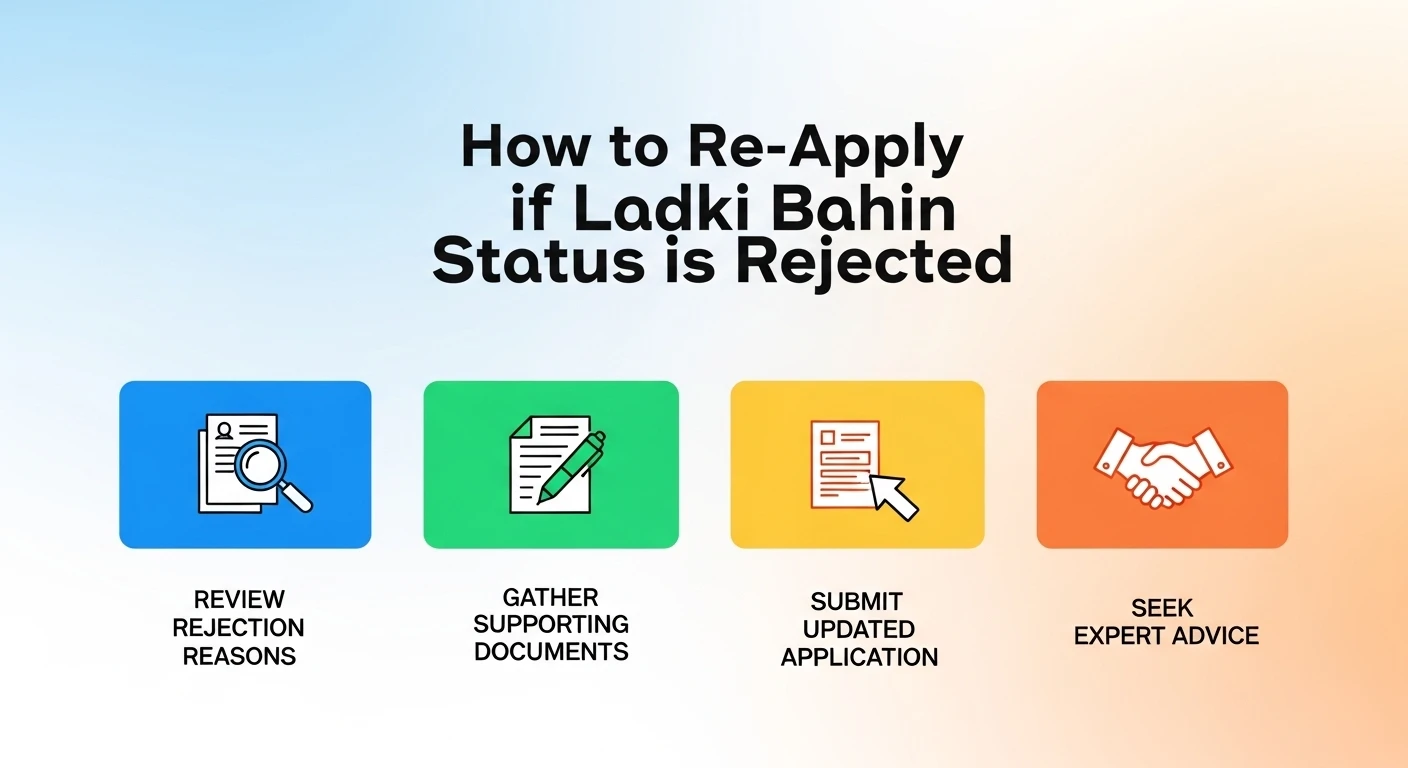
If you have been rejected due to “Income Tax Payer” status but your family income is genuinely below ₹2.5 lakh, follow this professional path:
Step 1: The e-KYC Correction Window
The government has extended the correction deadline to March 31, 2026. 1. Log in and navigate to your profile.
2. Review the “Government Employee” and “Taxpayer” questions carefully.
3. If you made a mistake, correct it to “No.”
Step 2: Physical Verification
If the digital system continues to reject you, you must move to manual override.
- Visit your local Anganwadi Sevika or Gram Sevak.
- Provide a non-taxpayer certificate or a fresh income certificate from the Tahsildar.
- The WCD has instructed district collectors to perform physical audits for genuine cases to ensure “no eligible sister is left behind.”
Step 3: Bank Seeding (NPCI Mapping)
Check your Aadhaar-bank link status. Many “tax-related” rejections are actually DBT failures. If your bank account isn’t mapped with NPCI, the ₹1,500 installment will bounce, often showing a generic error code.
Quick Reference: Eligibility Matrix
| Criteria | 2026 Rule | Action Needed |
| Family ITR Filer | Disqualified (usually) | Appeal if income is than ₹2.5L. |
| Annual Income | Must be than ₹2.5 Lakh | Verified via CBDT/Tahsildar |
| Government Job | Strictly Ineligible | Includes Board/Corp members |
| 4-Wheeler Owner | Ineligible | Excludes Tractors |
| e-KYC Deadline | March 31, 2026 | Complete via Nari Shakti App |
The “Recovery Notice” Rumors: Are They Real?
There is significant talk about the government recovering money. Here is the truth:
The state has identified approximately ₹165 crore paid to “ineligible beneficiaries” (including men and government employees who cheated the system). Recovery notices are being issued only to clear cases of fraud. If you are a genuine beneficiary who made a technical error, the focus is on correcting your status, not penalizing you.
FAQs
My husband files ITR but earns only ₹2 lakh. Am I eligible?
Technically, yes. However, the automated audit for 2026 often blocks all ITR filers. You will need to submit a manual appeal at your Setu Suvidha Kendra with a valid income certificate to prove your eligibility.
When will the 2026 “bonus” or pending payments arrive?
For those who complete their e-KYC corrections by March 31, 2026, the government plans a consolidated payout in April 2026. This could include arrears for January, February, and March (totaling ₹4,500).
Is the scheme stopping in 2026?
No. Despite rumors and election-related pauses in early January, the government has confirmed the scheme is permanent. The 2026 budget has allocated over ₹36,000 crore to ensure its continuity.
Expert Final Word:
Don’t let a technical status or a “Taxpayer” flag discourage you. Most 2026 rejections are fixable through the e-KYC correction window. Ensure your documents are clear, your Aadhaar is linked, and you act before the March 31 deadline.